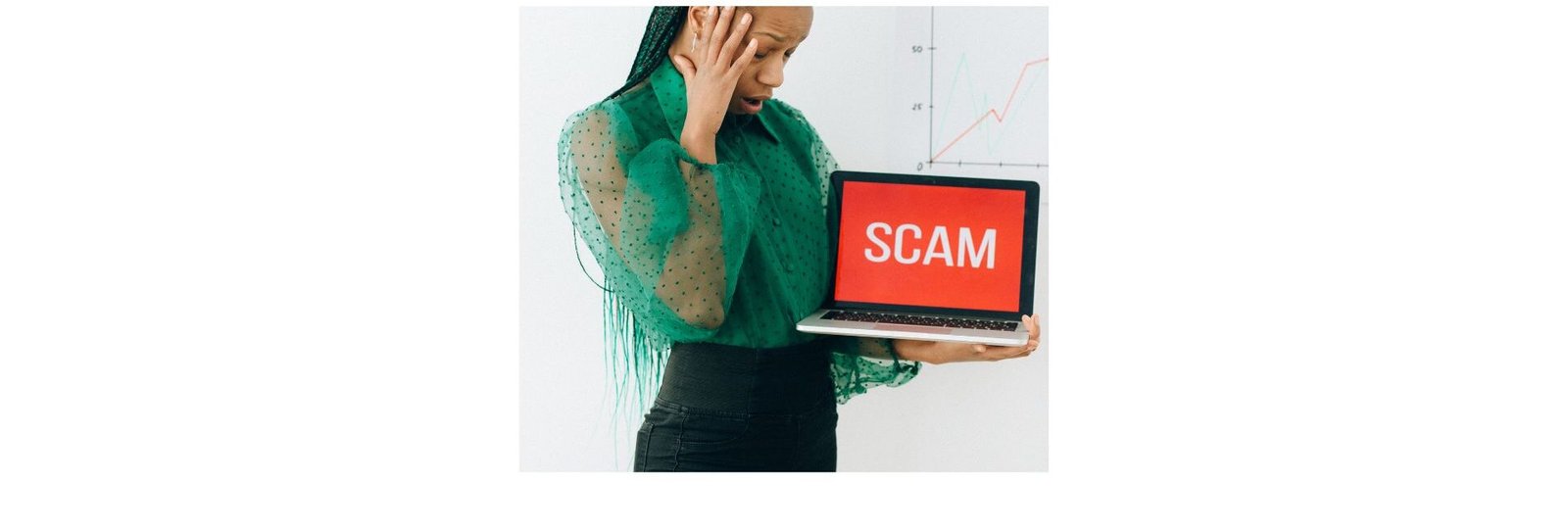
How to Spot a Student Accommodation Scam (and Protect Yourself)
accomfinder
September 3, 2025

Many students fall victim to housing scams each year. Fake landlords, misleading adverts, and hidden fees can make the search for a safe place to stay overwhelming. At AccomFinder, we want to help you avoid these pitfalls by sharing clear tips on how to protect yourself.
No Viewing Allowed
If the landlord or agent refuses to let you view the property (whether in person or virtually), it’s a major red flag. Scammers often use fake pictures taken from the internet.
Upfront Payment Before Viewing
Be cautious if you’re asked to pay a deposit or first month’s rent before you’ve signed a contract or seen the accommodation. Legitimate landlords won’t pressure you.
Too Good to Be True Pricing
If the rent is significantly cheaper than other options in the same area, it might be a scam. Always compare prices with nearby student accommodations.
Unclear or Missing Contracts
Every legitimate accommodation will provide a clear lease or agreement. If the contract is vague or the landlord avoids giving you one, walk away.
Strange Payment Methods
Be wary if asked to send money via Western Union, MoneyGram, or personal cash transfers. Secure payments should go through a verified account.
Always view the property in person (or request a verified video tour).
Make sure the landlord or agency is registered or accredited.
Double-check that the accommodation is listed on trusted platforms or university-accredited lists.
Keep a copy of all receipts, contracts, and communication.
If you’re using a bursary like NSFAS or ISFAP, confirm if the accommodation is covered before committing.
When in doubt, trust your instincts. If something feels off about a listing, it’s better to walk away than to lose your money. At AccomFinder, we’re working to make student housing transparent, safe, and stress-free for every student.